What Traditional Rehabs Miss About Privacy and Environment
A working professional checks into a “top-rated” inpatient program and realizes the first trigger isn’t withdrawal—it’s the building. Shared hallways. Thin walls. A schedule that removes basic control. The care plan might be solid, but the environment keeps the nervous system on high alert. That’s not a comfort issue. It’s a recovery failure.
Institutional design creates stress you can’t “therapy” your way out of
Traditional rehabs frequently run like medical wards: fluorescent lighting, echoing common areas, staff traffic, and group movement on a fixed timetable. That structure is operationally efficient. It also creates constant low-grade vigilance—exactly what many people are trying to escape when they stop drinking or using.
Recovery requires regulation. Institutional design produces dysregulation. That’s where progress quietly stalls.
Here’s what this looks like in real life: a client wakes up after a rough night, needs a private moment to reset, and instead has to walk past strangers, staff, and roommates to find a place to breathe. They don’t spiral because they lack motivation. They spiral because the environment keeps poking the wound.
This isn’t an “SEO problem” or a “better amenities” problem. It’s a trust-architecture failure: if the space doesn’t feel safe, the work doesn’t go deep.
Privacy isn’t a preference; it’s the condition that makes honesty possible
Many facilities treat privacy like an optional upgrade—something you get if you pay more, behave better, or wait longer. In practice, limited privacy changes what clients share and when they share it.
People don’t disclose relapse details, trauma history, or high-risk triggers when they feel overheard. They edit themselves. They perform “fine.” They protect their image. Then the plan gets built on partial truth.
That’s not a feature—that’s the problem.
This is where professionals aged 25–55 quietly lose months or years. They delay care because they can’t risk being seen, recognized, or exposed in a setting that feels public. The cost isn’t theoretical: delayed treatment shows up as lost pipeline at work, damaged relationships at home, and a higher likelihood of needing multiple attempts to stabilize.
For readers weighing options in Orange County, start with what the program standardizes: if the model is built around group flow and shared living, privacy will always be secondary.
The environment is part of treatment—whether a program admits it or not
A home-like facility changes the recovery day. Natural light, quieter rhythms, and private bedrooms reduce friction during the most fragile weeks. The body settles faster. Sleep improves. Conversations get more honest because the client isn’t bracing for interruption.
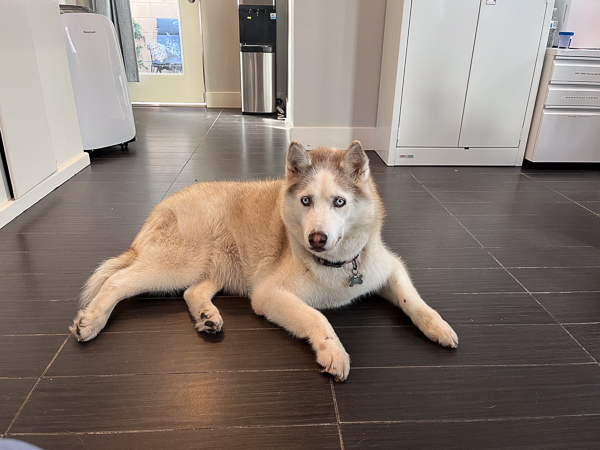
For pet owners, the difference is even sharper. Separation from a companion isn’t a minor inconvenience—it removes a daily emotional anchor right when coping skills are rebuilding. Many clients don’t refuse treatment because they “aren’t ready.” They refuse because they can’t abandon the one stabilizing relationship they still trust.
Sober Partners is built around a different premise: recovery is a continuous partnership—rooted in one-on-one counseling and supported up to one year post-discharge—rather than a one-time stay in a high-throughput facility. The setting supports that partnership with a newly constructed, home-like space in Huntington Beach, two blocks from the ocean.
Learn more about the setting and approach at Sober Partners in Huntington Beach and see location details here: Location.
The destabilizing truth: the “tough it out” environment trains the wrong behavior
Here’s the consequence most people miss: when treatment forces you to recover in a public-feeling environment, you practice coping in performative mode—smiling, complying, staying “appropriate.” You get better at looking stable, not being stable.
Then discharge hits. Real life is private. Triggers happen alone—at night, after a fight, after a work call, in the quiet. If the program trained you to regulate only when people are watching, you leave without rehearsing the moments that actually break sobriety.
That’s why a setting mismatch doesn’t just feel uncomfortable. It creates visibility debt: you “graduate” without building private, repeatable regulation skills. The outcome is predictable—trust erosion, repeated episodes of care, and a deeper belief that “treatment doesn’t work for me.”
What most programs still get wrong about “high-end” rehab
Most programs chase the wrong signal. They assume “luxury” means nicer finishes layered on top of the same group-driven throughput model. Marble counters don’t fix thin walls. A spa day doesn’t fix a schedule that strips autonomy.
The brands treatment teams trust most are rarely the ones with the most programming. They’re the ones with the least friction—where privacy, pace, and emotional safety are built into the daily mechanics.
At Sober Partners, one-on-one counseling is central, not supplemental. The pet-friendly policy is a barrier-remover, not a marketing hook. And support doesn’t end at discharge; it continues through the Aftercare and Alumni Program.
For a deeper read on why privacy breaks down in standard models, see: Unveiling the Invisible Barriers to Privacy in Group Therapy Settings.
How Sober Partners reduces friction from day one (detox through aftercare)
When someone arrives exhausted—physically, emotionally, socially—the first win is lowering the noise floor. That’s why Sober Partners aligns the environment with the clinical path, instead of treating the building like background.
- Medical stabilization: the SAMHSA National Helpline is a starting point for many families, but once care begins, withdrawal management needs real supervision. Sober Partners offers a Medical Detox Program designed to support withdrawal safely in a comfortable, medically supported setting.
- Residential care: Residential Treatment in a home-like environment, built around one-on-one counseling and privacy-forward living.
- Step-down options: transition planning can include an Outpatient Program and Sober Living Homes when ongoing structure is the difference between “fine” and stable.
- Long-tail support: continued counseling and community through aftercare for up to one year post-discharge.
If bringing a companion is part of what makes treatment possible, start here: Top Pet-Friendly Rehab Center in California and the practical steps here: How to Bring Your Pet to Rehab at Sober Partners.
A brief case scenario: when the setting breaks the plan
A composite story we see too often: a 38-year-old sales leader with a high-visibility role agrees to treatment after a near-miss at work. He chooses a well-known facility with a strong clinical reputation. On day three, he realizes he can’t take a private call without being overheard. He stops talking openly in sessions because he’s worried someone will connect the dots. He tells his partner he’s “fine,” counts the days, and leaves early.
Two months later, he’s back to late-night drinking—partly from cravings, partly from the same exposure-fear that kept him guarded in treatment. The plan didn’t fail because he didn’t want it. The plan failed because the environment trained concealment.
In a privacy-first setting with one-on-one counseling, the work shifts: the client practices telling the truth without social penalty. That’s when change becomes durable.
An expert perspective on why privacy changes outcomes
“When people feel observed, they manage impressions. When they feel safe, they tell the truth. Treatment built on partial truth produces partial results.”
— Fiona Whitaker, Recovery Storyteller, Sober Partners
For additional guidance on what quality treatment should include, the National Institute on Alcohol Abuse and Alcoholism (NIAAA) outlines evidence-based approaches and the importance of ongoing support beyond an initial stay.
FAQ
How does a home-like facility differ from standard inpatient rehab?
A home-like facility reduces institutional stressors (shared-ward noise, harsh lighting, constant traffic) and protects privacy with more personal space. That lowers day-to-day friction so clients can focus on therapy, sleep, and stabilization—especially in early recovery.
Can I bring my pet to rehab at Sober Partners?
Sober Partners is pet-friendly and commonly supports clients bringing dogs. Cats may be considered on a case-by-case basis. Expect basic requirements like vaccination records and temperament screening to keep the home safe for everyone. Start with the Pet-Friendly Rehab FAQ.
What happens after residential treatment ends?
Many clients need continuity, not a clean break. Sober Partners provides ongoing support through its Aftercare and Alumni Program, including continued counseling support for up to one year post-discharge.
Is privacy protected during treatment?
Privacy is built into the model with one-on-one counseling and discretion-forward living arrangements. Information is shared only with your consent and in line with confidentiality laws. If privacy is a deciding factor, discuss specifics during admissions.
Decide based on what breaks people—not what looks good on a brochure
If a program treats privacy and environment as optional, you pay for it later—in weaker engagement, higher stress, and a discharge plan built on guarded conversations. That’s how people lose momentum and end up repeating treatment.
Sober Partners is a personalized, continuous recovery partnership offering exclusive one-on-one counseling and year-long post-discharge support—not just a rehab center. If you need discreet care where you can stay connected to your companion, take the decisive next step: contact Sober Partners admissions to discuss the Medical Detox Program and Residential Treatment options in Huntington Beach.
About the author
Fiona Whitaker is a recovery storyteller for Sober Partners. She shares composite, anonymized narratives drawn from common client experiences—focused on privacy, dignity, and the human-animal bond that helps many people steady themselves long enough to heal. Her work emphasizes that recovery is possible, difficult, and worth protecting with the right professional support.