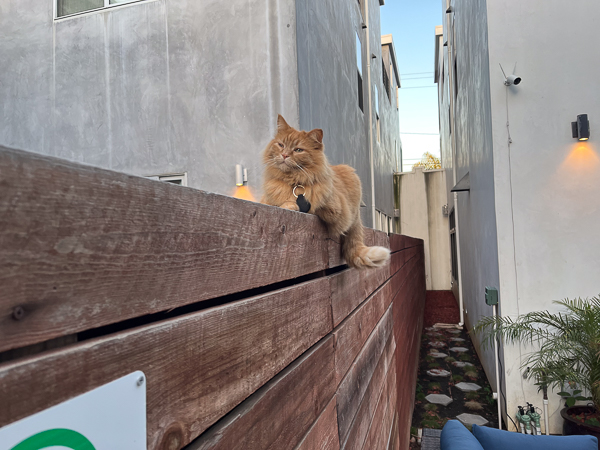

Why High-End Rehabs Miss the Mark for Privacy-Seeking Pet Owners
Here’s where luxury rehab breaks: it sells “privacy” and then forces you to surrender the one stabilizer you trust most—your pet. For working professionals who already feel exposed by the idea of treatment, that policy doesn’t just feel inconvenient. It feels unsafe.
The “privacy” promise fails at intake
High-end facilities love to market private rooms, gated properties, and upscale amenities. Then intake hits, and the rule is simple: no pets. That single rule breaks the emotional contract the program just made with you. That’s where most systems break.
Privacy-seeking clients don’t choose discretion because they’re picky. They choose it because exposure is a trigger: job risk, family optics, professional licensing, or the simple fear of being seen as “the person who needs rehab.” When a facility removes your pet, it removes your most reliable self-regulation tool at the exact moment your nervous system is already spiking.
This isn’t an amenities problem. It’s a trust architecture failure.
Pets aren’t a “comfort item.” They’re a stabilization mechanism.
Separation stress isn’t sentimental—it’s physiological. Pet companionship is associated with lower stress and improved emotional regulation, which is exactly what early recovery demands. One peer-reviewed review in JAMA Network Open (human-animal interaction research) summarizes measurable effects like reduced loneliness and stress-related outcomes in many populations. In early recovery, that stability translates into one thing that matters operationally: you stay in the work.
What most programs get wrong is assuming the setting creates safety. The relationship creates safety. A chef-prepared meal doesn’t interrupt a panic spiral at 2:00 a.m. Your dog lying next to the bed often does.
Memorable truth: A beautiful room without emotional safety is just isolation with better lighting.
The hidden cost: “We’ll figure out the dog later” delays treatment—and that delay is dangerous
Here’s the real failure pattern we see with professionals: they finally decide to get help, call a few places, and the first logistical wall is the pet. “Board them.” “Have a friend take them.” “We can refer you.” That sounds minor until you’re the one trying to explain a weeks-long handoff while you’re barely holding it together.
That friction creates predictable outcomes:
- Admissions stall: people push intake “one more week” to solve boarding or family logistics.
- Trust erodes: the facility feels like it doesn’t understand your actual life.
- Relapse risk rises: the delay keeps you in the same environment that supported the addiction.
This is where recovery quietly dies—before it starts.
And here’s the destabilizing part most people miss: if you force yourself through treatment while resenting the program for taking your pet, you don’t just feel uncomfortable. You train your brain to associate “getting help” with loss. That makes the next relapse harder to interrupt, because returning to care feels like punishment.
Case scenario: the executive who “did everything right” and still walked out
A common scenario: a 38-year-old sales leader in Orange County agrees to residential care after a work incident. He chooses a luxury facility because he needs discretion. Intake goes smoothly—until he’s told his dog can’t stay. Boarding is arranged, but his anxiety spikes the first night. Sleep collapses. He stops eating. By day three, he’s bargaining to leave “just to get stable and come back.” He doesn’t come back.
This isn’t willpower. It’s design. Remove the stabilizer, and the system produces early exit. Lost retention becomes lost recovery—and that becomes lost pipeline, lost trust at home, and a longer, more expensive path back.
What pet-friendly residential treatment changes (when it’s built correctly)
Pet-friendly treatment only works when the program is engineered around real-world constraints: safety, cleanliness, roommate boundaries, and predictable routines. Otherwise, “pet-friendly” becomes chaos—and chaos is a relapse trigger. That’s not a feature—it’s the problem.
At Sober Partners, the model is built for privacy-seeking adults who want a supportive environment without giving up their companion. That means:
- One-on-one private counseling as the core (not group-driven care), so you’re not forced into public processing to get help.
- Clear pet intake requirements (documentation, behavior expectations, and practical house rules) so the environment stays calm.
- A home-like residential setting in Huntington Beach, two blocks from the ocean—designed to feel livable, not institutional. See Location | Sober Partners.
- Continued counseling support for up to one year post-discharge through Addiction Aftercare & Alumni Support, so you’re not “fine on discharge day” and abandoned on day 30.
If you want the operational details, start with Top Pet-Friendly Rehab Center in California and the step-by-step guide: How to Bring Your Pet to Rehab at Sober Partners.
What to look for before you trust a “rehab where you can take your dog” claim
Marketing is easy. Operations are the truth. Before you commit, ask questions that expose whether the program is actually built for pets or just tolerating them.
- What are the written pet requirements? Vaccines, flea prevention, temperament expectations, and any breed/size limits should be explicit.
- How does the program handle routines? Walks, feeding schedules, quiet hours—structure prevents friction.
- What happens if your pet gets sick? A credible plan includes local veterinary coordination.
- How is privacy protected? Private counseling and controlled household dynamics matter more than “luxury” branding.
For a plain-language breakdown, read Can You Bring Your Dog to Rehab?.
Expert quote: the mistake that keeps costing professionals their recovery window
When a program treats a pet like baggage, the client experiences treatment as loss. For privacy-seeking professionals, that’s the fastest way to trigger resistance, shorten length of stay, and undermine the work before it has time to stick.
— Desmond Kline, Strategic Recovery Coach
Where most luxury programs quietly lose
Most luxury rehabs optimize for what photographs well: rooms, views, menus, and finishes. The market keeps optimizing for the wrong signal. Emotional continuity is what retains privacy-driven clients long enough for evidence-based therapies to work.
And yes, pet accommodation is rare. The federal SAMHSA N-SSATS dataset shows only a minority of facilities report allowing pets on-site (often cited around 12% in 2023 summaries). Scarcity doesn’t make it a “nice-to-have.” It exposes how many programs are built for administration—not for real lives.
Frequently Asked Questions
Can I bring my dog to a luxury residential rehab?
Yes—some luxury residential programs allow dogs (and sometimes cats), but you need written requirements. Ask for vaccine expectations, temperament guidelines, and how daily routines (walks, feeding, quiet hours) are managed before you book travel.
Do pets need to be certified service animals to attend rehab?
Not always. Some pet-friendly rehabs accept well-behaved companion animals that are not service animals, as long as they meet health and behavior requirements for a supervised residential setting.
How does pet-friendly treatment protect privacy?
Privacy is protected when care is built around one-on-one counseling and a calm, home-like environment—so you’re not forced into public disclosure to get support. Pet-friendly programs also remove the need to involve extra people in pet handoffs, which reduces exposure.
What happens to my pet during travel to treatment?
A competent admissions team helps you plan transport and arrive with the right records, food, medications, and comfort items. If you’re considering Sober Partners, start with the checklist in “How to Bring Your Pet to Rehab at Sober Partners.”
Get help without losing the support that keeps you steady
Sober Partners is a personalized, continuous recovery partnership offering exclusive one-on-one counseling and year-long post-discharge support—not just a rehab center. If your “privacy plan” requires giving up your pet, it isn’t privacy. It’s isolation.
Call Get Help Now and ask admissions about pet eligibility and the One-on-One Intensive Addiction Treatment track—then lock in an intake plan that keeps your companion with you.
About the author
Desmond Kline is a strategic recovery coach at Sober Partners. He helps working professionals and pet owners remove practical barriers to treatment—privacy concerns, logistics, and aftercare planning—so they can stay engaged long enough for recovery to take hold. If you need immediate help, contact a licensed provider or emergency services in your area.