
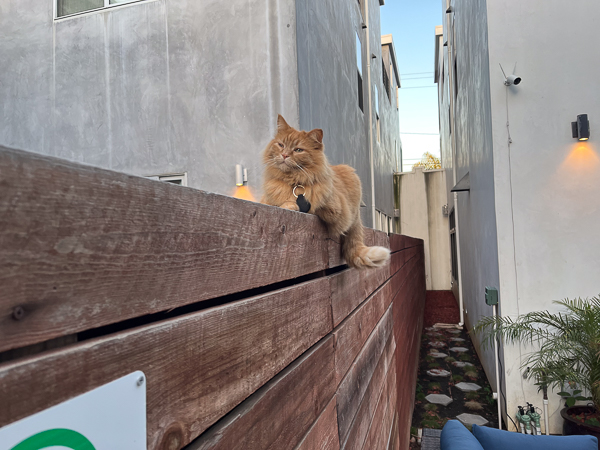
Pets, Privacy, and the Moment You Finally Say “Yes” to Treatment: Why Sober Partners Is a Personalized, Continuous Recovery Partnership
He’s on a conference call at 7:30 a.m., camera on, voice steady—then he mutes himself and looks down at his dog like it’s the only thing in the room that knows the truth. By lunch, he has the rehab tab open again. By dinner, he closes it again. Not because he doesn’t want help. Because the moment he imagines walking into a program without his pet—and being pushed into group settings—his body treats it like a threat.
The delay doesn’t start with denial—it starts with separation
When a working professional reaches the “I need help” moment, the next thought is rarely about therapy. It’s operational: Who will take my dog? Will my cat stop eating? Will someone post about me being gone? The privacy concern and the pet concern fuse into one problem: treatment equals exposure and loss of stability.
That’s why “just go to rehab” fails as advice. It ignores the real trigger: the fear of losing the one steady emotional regulator they still trust. Miss this, and the call never happens.
At Sober Partners, the starting point is simple: remove the barrier that keeps people stuck. Clients come to a small, residential, home-like environment in Huntington Beach—two blocks from the ocean—and they don’t have to choose between getting help and keeping their companion close.
What actually happens when a rehab can’t accommodate pets
Here’s the sequence we see over and over. Someone searches “rehab where you can take your dog,” finds a few options, then realizes most programs either say “service animals only” or require the pet to be off-site. When that happens, the person doesn’t pick the next-best facility. They postpone.
Postponing looks “functional” from the outside: they keep working, keep showing up, keep the story intact. But the cost shows up elsewhere—missed mornings, rising tolerance, more secrecy, and a shrinking circle of people they trust. This is where lost time turns into lost stability.
This isn’t an SEO problem. It’s an identity problem. Privacy-seeking clients aren’t optimizing for amenities. They’re protecting their life from collapsing in public.
The non-obvious truth: your pet isn’t a comfort item—it’s a nervous-system strategy
Most brands talk about pet-friendly rehab like it’s a nice perk. That’s the wrong frame. For many clients, the pet is part of how they regulate stress and avoid spiraling—especially in early recovery, when sleep, appetite, and anxiety are already volatile.
Research on the human–animal bond backs the mechanism: interacting with animals is associated with reduced stress and improved well-being in many settings. The NIH (National Center for Biotechnology Information) has published reviews describing links between companion animals and stress-related outcomes (including cortisol patterns) in certain populations.
That doesn’t mean a pet replaces treatment. It means the right environment removes unnecessary stress so treatment can actually land. Comfort isn’t the goal. Capacity is.
A real-world scenario: the executive who thought group therapy was “the price of admission”
A 38-year-old sales leader (we’ll call him “D.”) reached out after a relapse that didn’t look dramatic—until it did. He wasn’t afraid of hard work. He was afraid of being seen. He’d sat through one group intake years earlier and never went back. He told us, “I can’t do that again. And I’m not leaving my dog with a neighbor who’ll ask questions.”
When D. found a program that allowed pets, his decision timeline changed. When the pet barrier dropped, the next barrier surfaced: privacy. That’s where the structure mattered.
- Private first contact: a discreet admissions conversation, not a public intake line.
- Clear pet requirements: basic health and temperament expectations, plus vaccination records.
- One-on-one clinical work: a schedule built around private counseling rather than relying on group dynamics.
Within the first week, D. stopped negotiating with himself. His dog wasn’t “treatment.” But the dog’s presence removed the panic that kept him from starting. That’s where most systems break.
Halfway through, the strategy that “worked” starts harming you
If you’ve been managing addiction privately for years, you probably have a system: keep performing at work, keep your home life controlled, keep your struggle invisible. It feels like discipline.
It’s also the trap.
When privacy becomes the top priority, people choose the option that hides the problem rather than the option that solves it. That’s how high-functioning turns into high-risk. The longer you delay treatment to protect your image, the more your life becomes dependent on staying unexposed—and the smaller your choices get.
Ranking in your career while losing stability at home is still a loss. This is where increased stress and rising substance use start leaking into performance, relationships, and health—quietly at first, then all at once.
What Sober Partners changes: privacy, pets, and one-on-one care that stays with you
Sober Partners is a personalized, continuous recovery partnership offering exclusive one-on-one counseling and year-long post-discharge support—not just a rehab center. That positioning exists for one reason: people don’t fall apart on a schedule.
Here’s what the experience is designed to do when you’re a privacy-seeking pet owner:
- Keep your emotional anchor close: pet-friendly residential care so you’re not white-knuckling separation on top of withdrawal, cravings, or anxiety. Learn the practical steps in How to Bring Your Pet to Rehab at Sober Partners.
- Reduce exposure triggers: a small, home-like environment instead of a large institutional setting where privacy feels fragile. See the setting on the Sober Partners location page.
- Replace group pressure with private depth: individualized work through the One-on-One Intensive Addiction Treatment track.
- Stay supported after discharge: continued counseling and structure through Addiction Aftercare & Alumni Support for up to one year post-discharge.
That last piece is where outcomes change. A private, pet-friendly stay helps you start. Ongoing support helps you keep going. Without aftercare, people “graduate” into silence—and relapse loves silence.
What most rehabs get wrong about “rehabs that allow dogs”
Most programs treat pet-friendly as a policy checkbox. They don’t build operations around it. That’s why clients end up juggling exceptions, unclear rules, and last-minute stress that undermines the whole point.
Pet-friendly only works when it’s integrated: clear screening, clear expectations, and a calm environment that stays calm. Otherwise, the pet becomes another variable to manage—and you didn’t come to treatment for more chaos.
“Pet-friendly” without structure is just another reason to postpone.
An expert perspective (and the correct boundary)
Dr. Sandra Barker, a leading researcher in the human–animal interaction field, has described how animals can influence stress and social support in therapeutic contexts. The broader evidence base supports a practical takeaway: reducing stress improves engagement, and engagement improves the odds you stay in care long enough for it to work.
For a deeper overview of the science, the Human Animal Bond Research Institute (HABRI) and the CDC’s summary of pet health benefits are solid starting points.
Important: pets support recovery; they don’t replace clinical treatment. If you’re in crisis or at risk of harm, seek immediate medical help or call 988 in the U.S.
Frequently Asked Questions
Can I bring my dog if I’m looking for a private rehab experience?
Yes—Sober Partners is a pet-friendly program designed for clients who value discretion. Admissions reviews pet fit (health, vaccinations, and temperament) to maintain a calm, private environment. Start with the Pet-Friendly Rehab FAQ.
Do I need a certified service animal to enter a rehab that allows pets?
No. Many clients bring a well-behaved companion animal rather than a certified service animal. Requirements focus on safety and basic health standards, not certification.
What happens to my pet during one-on-one counseling sessions?
Your schedule is built around private counseling, and staff help coordinate pet routines so sessions stay focused and low-stress. The goal is consistency—because early recovery needs fewer disruptions, not more.
Is Sober Partners only a residential stay, or is there support after discharge?
Sober Partners includes continued counseling support for up to one year post-discharge through Aftercare & Alumni Support, so you’re not left to “figure it out” alone once you return to work and daily life.
Check the risk you’re actually carrying
If you’re delaying because you can’t leave your dog or you refuse to sit in a room full of strangers explaining your life, you’re not being difficult. You’re describing the exact failure point that keeps high-performing people stuck.
Here’s the consequence: the longer you protect privacy by postponing care, the more addiction gets to run your calendar. That’s revenue leakage in real life—lost pipeline, weaker performance, and a shrinking ability to choose what happens next.
Check whether your brand of “holding it together” is actually exposure to a bigger collapse. Get a confidential, private admissions conversation with Sober Partners now: Get Help Now.
About the Author
Desmond Kline is a strategic recovery coach who writes about practical, evidence-informed steps people can take to break free from addiction while protecting privacy, dignity, and stability. He focuses on real-world recovery planning—especially for working professionals—and how supportive environments (including pet-friendly options) remove barriers that keep people from starting treatment.
Note: This article is educational and not a substitute for medical advice. If you need immediate help, contact emergency services or call 988 in the U.S.
