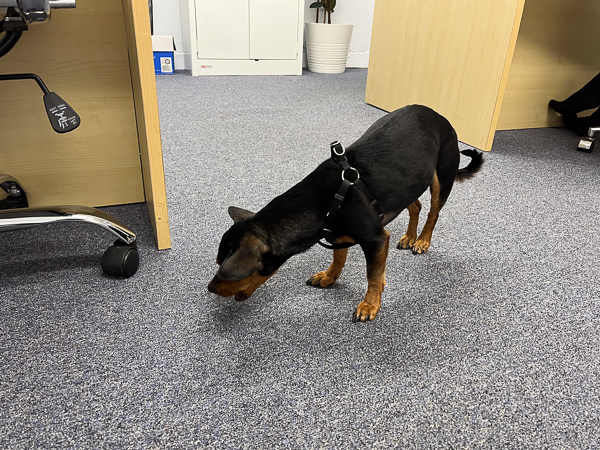
Pet-Friendly Rehab for Executive Clients: What Happens When You Don’t Have to Choose
Michael didn’t delay treatment because he “wasn’t ready.” He delayed because every residential program he called told him the same thing: his dog couldn’t come. For a 48-year-old tech executive trying to keep his life from unraveling quietly, that wasn’t a small detail—it was the last thread of stability. Four months later, two accounts were gone, his sleep was wrecked, and the drinking had moved from “after work” to “whenever the shaking started.” When he learned there was a pet-friendly rehab option in Huntington Beach, two blocks from the ocean, the decision finally became possible.
The real sequence: when pets aren’t allowed, executives don’t “decide”—they disappear
Here’s the pattern we see again and again with high-performing professionals: when the program can’t accommodate their pet, the inquiry stops. No follow-up. No second call. Just another week of “I’ll handle it after this quarter.” That silence isn’t indecision. It’s avoidance with a calendar invite.
When that happens, the consequences stack fast. Work performance slips, relationships thin out, and health problems stop being theoretical. The CDC is blunt about alcohol’s impact on health risks over time (CDC: Alcohol Use and Your Health). The longer someone waits, the more complicated the landing becomes.
This isn’t an SEO problem. It’s an identity problem. Executives don’t fear treatment—they fear losing the one thing that still makes them feel human at 2 a.m.
What most rehabs that “allow dogs” still get wrong
Most programs treat pets like a facilities issue: paperwork, liability, and “we’ll see.” The executive hears that as a soft no. And soft no’s are where people relapse in advance.
Even when a center says it’s pet-friendly, the fine print often creates separation during the most fragile window—detox, intake, or the first week of stabilization. That’s exactly when routines matter most. Miss this, and the whole plan wobbles.
What’s misunderstood is simple: your pet is not just comfort. Your pet is a behavioral cue. Feeding times, morning walks, and bedtime routines are built-in structure—structure many executives have kept even while everything else slid. The counterintuitive truth is that your most “successful” habit might be the one you do for your dog.
When a pet can come, the recovery math changes—fast
When a program clearly welcomes pets, the sequence flips. The client arrives with their companion, settles into a private room, and keeps a daily rhythm that doesn’t feel like punishment. When that happens, nervous-system load drops and engagement rises. That’s where momentum starts.
Research on animal-assisted interventions has repeatedly pointed to benefits like reduced stress and improved emotional well-being in many settings. The American Veterinary Medical Association summarizes evidence that the human-animal bond can support mental health and stress buffering (AVMA: Human-Animal Bond). That doesn’t replace treatment. It makes treatment more tolerable when someone is raw and scared.
At Sober Partners, pet inclusion is built into the experience—not bolted on. Clients receive private 1-on-1 counseling and live in a newly constructed, home-like residential environment designed for discretion and calm. That environment matters because executives don’t open up in places that feel like institutions.
The moment that destabilizes “what you thought was working”
Michael’s original strategy looked responsible: keep working, keep it quiet, keep your life intact. It felt like control.
But when the pet barrier kept him out of treatment, that “control” became the mechanism of harm. When you optimize for privacy by postponing care, you don’t protect your reputation—you extend the period where addiction gets to make decisions for you. That’s where most systems break.
And here’s the part people don’t like to admit: a program that forces separation from your pet doesn’t just feel harder. It teaches you a dangerous lesson—that recovery requires losing what you love. That belief is relapse fuel.
Why private 1-on-1 counseling makes pet-friendly rehab actually work for executives
Group-based models ask executives to be vulnerable on a schedule, in front of strangers, while they’re still trying to manage withdrawal, shame, and career anxiety. Many comply outwardly and stay guarded inside. That’s not a personality flaw. It’s a predictable outcome.
Private 1-on-1 counseling changes the entire operating system. Sessions can address the real triggers executives hide: travel drinking, client dinners, performance pressure, loneliness in high-status roles, and the “I can’t fall apart” story that keeps them stuck. It also allows the clinician to integrate the pet relationship into a practical plan: routines, boundaries, accountability, and coping skills tied to real daily moments like walks, feeding, and evening decompression.
Sober Partners offers a One-on-One Intensive Addiction Treatment approach for clients who need privacy and focus. That’s not a preference—it’s the difference between participation and performance.
A realistic case scenario: how pet-friendly residential care prevents the early-exit spiral
Here’s what “early exit” looks like in the real world for an executive client.
Day 3: sleep is fractured, anxiety spikes, and the brain starts negotiating. When the environment feels unfamiliar and the client’s primary emotional anchor is gone, the mind reaches for the fastest relief. When that happens, the client starts building an exit plan: “I’ll do outpatient instead,” “I can’t be away from work,” “This place isn’t for me.”
Day 7: the client leaves, tells their partner it was “a bad fit,” and goes back to the same house, same stressors, and the same bottle—except now with more shame and less hope. That’s revenue leakage in human terms: lost health, lost trust, lost time.
Now run the same week with a pet present. The dog needs a morning walk. The client gets outside. The body moves. The day starts with responsibility instead of panic. When that happens, the client stays long enough for clinical work to take hold.
If medical stabilization is required first, that’s addressed through a supervised Residential Treatment setting and, when appropriate, a Medical Detox Program plan coordinated by professionals. Detox needs medical oversight. Comfort alone doesn’t keep people safe.
Expert perspective: the pet isn’t the treatment—it’s the bridge into treatment
“For a lot of high-functioning professionals, the pet isn’t a ‘nice-to-have.’ It’s the one relationship that hasn’t become transactional. When you remove that support at intake, you raise the odds of a quiet refusal—either delaying care or leaving early. Keeping the bond intact doesn’t replace therapy. It gets people to stay long enough for therapy to work.”
— Desmond Kline, Recovery Strategist, Sober Partners
If you’re an executive considering pet-friendly rehab, check this risk first
Most executives think the biggest risk is being recognized. The bigger risk is choosing a program that looks “clinically solid” on paper but breaks the one stabilizer that gets you through the first two weeks. Choose wrong here, and you don’t just lose comfort—you lose retention.
If your dog or cat is part of what keeps you regulated, treat that as a non-negotiable clinical input, not a lifestyle preference. You’re not being difficult. You’re being accurate about what you need to stay in care.
To go deeper on privacy and pet inclusion, see: Why Privacy-First Rehab Is Essential for Pet Owners in Recovery and How Pets Enhance Privacy and Emotional Security in Rehab.
FAQ: Pet-friendly rehab for executive clients
Can I bring my dog to rehab if I need privacy?
Yes—privacy and pet inclusion can coexist when the program is designed for it. Sober Partners is a private, home-like setting with 1-on-1 counseling where clients can keep their pets with them, rather than relying on large group-based formats. Start with the Pet-Friendly Rehab FAQ to understand the basics.
How do pet-friendly rehabs screen pets?
Expect vaccination records, basic health information, and temperament considerations. The goal is a safe, calm residential environment for everyone—clients, staff, and animals—without turning pet care into a daily stressor.
What if I need medical detox first—will I be separated from my pet?
If a supervised Medical Detox Program is needed, the clinical priority is safety during withdrawal. Many centers coordinate ways to minimize separation, which can include on-site planning or nearby care arrangements while stabilization happens. Ask admissions exactly how pet care is handled during detox for your situation.
Does aftercare include help with routines that involve my pet?
It should. Long-term recovery is built on routines you’ll actually keep. Sober Partners supports continued planning and counseling through the Aftercare and Alumni Program, including practical relapse-prevention strategies tied to daily life at home.
Take the next step: confirm whether your current plan is quietly keeping you stuck
If you’re telling yourself you’ll go “once things calm down,” check the truth: when a program can’t accommodate your pet, delay becomes the plan. That’s how professionals lose years without realizing it.
Check whether your brand of privacy is actually exposure—exposure to relapse, health decline, and career fallout. Then make a clean move: contact Sober Partners Admissions to confirm whether our pet-friendly rehab and private 1-on-1 model can support you (and your companion) through Residential Treatment and beyond.
About the author
Desmond Kline is a recovery strategist at Sober Partners. He writes practical guidance for professionals navigating early sobriety, relapse prevention, and private treatment decisions—especially when pets are part of what keeps life stable. If you’re in immediate danger or experiencing severe withdrawal symptoms, call 911 or seek emergency medical care.