
Addiction Treatment for Union Members & Tradespeople
— Established 2013 —
If you work in the trades, you’re used to pushing through pain, pressure, and exhaustion. You show up early, stay late, and rarely admit when you’re hurting. Asking for help with drugs or alcohol can feel risky. Will this cost my job? My benefits? My place in the hall? At Sober Partners, we understand the union mindset—and we’ve built a program that has your back.
Confidential, union-savvy recovery—built around the realities of life in the trades.
We specialize in helping union members and tradespeople —including ironworkers, electricians, elevator trades, ILWU & PMA members, laborers, and construction workers—get solid, confidential help without losing who they are or what they’ve worked so hard to build.
Want to talk to someone who’s been in your boots? When you call, ask to speak with one of our retired union members—Ironworker, Electrician, or Longshoreman.
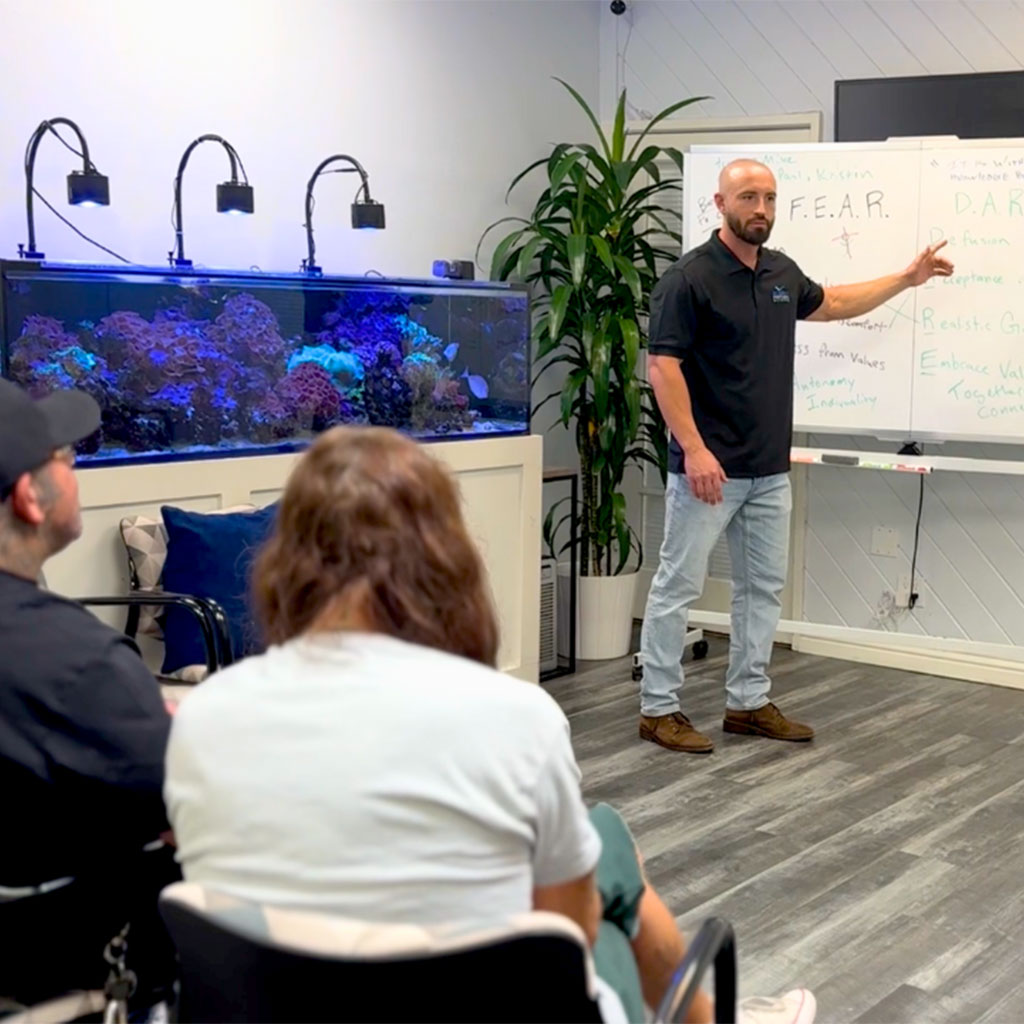




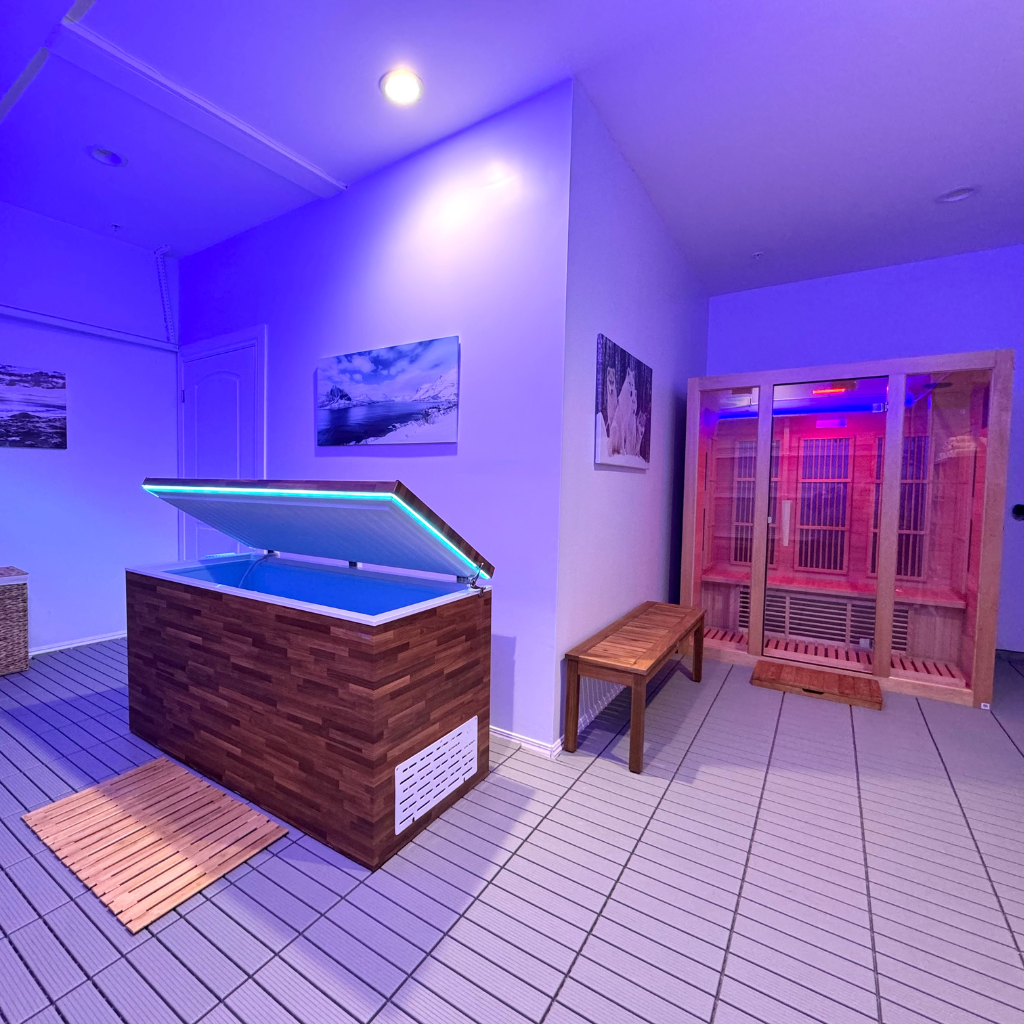

Real Spaces. Real People. Real Recovery.
Take a look inside our licensed detox and residential homes near the coast in Huntington Beach—designed to give union members and tradespeople room to breathe, stabilize, and rebuild.
Men's Empowerment Addiction Treatment Program
In this short video, you’ll see how our Men’s Empowerment track and executive lodging homes help some clients continue their recovery after residential care—toward a full 90-day plan, if they choose.
We Understand Life in the Trades
Working in the trades demands strength, reliability, and grit—often at the expense of your own well-being. Long hours, physical strain, and an unspoken expectation to push through pain can make it hard to slow down, let alone ask for help. For many union workers, the pressure isn’t just physical—it’s the fear that admitting something is wrong could threaten your livelihood, your benefits, or your standing on the job.
Working union often means:
- Early mornings, long shifts, and constant wear and tear on your body
- A culture that says "don't complain—just show up"
- Using pain meds, alcohol, or other substances just to get through the day or night
- Worrying that admitting you need help could cost you your job, benefits, or reputation
At Sober Partners, we work with:
- Ironworkers and structural steel trades
- Electricians, elevator trades, and other building trades
- ILWU & PMA members and maritime workers
- Laborers, operators, and construction crews
We don’t just guess what that’s like. We have multiple retired union members on staff—including a retired Ironworker, a retired Electrician, and a retired Longshoreman—who understand the hall, the politics, and the pressure from the inside.
Getting help doesn't end your career—it can save it.
Retired Union Team Member at Sober Partners
Why Sober Partners Is Built for Union Members & Tradespeople
We Get the Union Mindset
You don’t need another lecture. You need straight answers and a solid plan.
At Sober Partners, we:
Understand safety-sensitive roles and the responsibility that comes with them
Work with EAPs/MAPs, trust funds, and health plans that serve union members
Offer a respectful, no-BS environment with clear expectations and structure
Bring retired union members directly into the process, so you can talk with someone who's walked your path
Not a Hospital. Not a Holding Tank
You won’t be stuck in a cold, institutional setting. Instead, you’ll start your care in:
- State-licensed detox and residential houses near the coast in Huntington Beach
- Spacious indoor and outdoor areas where you can move, breathe, and decompress
- A setting with access to a gym, outdoor patios, and the beach nearby for fresh air and perspective when clinically appropriate
- Short-term executive lodging homes near the sand, with structured programming like Men's Empowerment (for men) and a Women's Wellness track (for women)—not crowded sober living houses
It felt like space to breathe—not lockdown.
Retired Union Team Member at Sober Partners
A Real 90-Day Path—If You Choose It
Some clients come for 2–3 weeks of detox and stabilization. Others return for a shorter reset after a relapse. Many union members, when benefits and life circumstances allow, choose to build out a full 90-day plan.
We help you follow a three-phase path within the same coordinated program:
| Phase | Focus | Where You Stay & What It Looks Like |
|---|---|---|
| Detox | Stabilize | State-licensed detox house with medical oversight and 24/7 support |
| Residential | Rebuild | State-licensed residential house: core therapy, groups, structure, away from jobsite stress |
| Extended Care | Strengthen | Men's Empowerment (men) or Women's Wellness (women) while staying in short-term executive lodging near the beach |
You are never forced into 90 days. We’re honest about what tends to work best and we tailor a plan that fits your situation, benefits, and willingness.
Phase Detox:
State-licensed detox house with medical oversight and 24/7 support
Residential
State-licensed residential house: core therapy, groups, structure, away from jobsite stress
Extended Care
Men's Empowerment (men) or Women's Wellness (women) while staying in short-term executive lodging near the beach
Voices from the Hall
Real Union Members, Real Recovery

Working With Unions, Trust Funds & EAPs
We regularly communicate with:
- Union EAP/MAP programs
- Trust funds and health plans that manage benefits
- Employers or union reps—only with your permission
We can help you:
- Understand what your insurance and benefits cover
- Coordinate with EAP/MAP if that's required
- Support documentation for leave, disability, or return-to-work plans
- Keep everything as confidential as possible while still getting you the help you need
We’re not just treating addiction. We’re helping you navigate the system so you can protect your career and your life.
Step-by-Step
From First Call to Return to Work
Confidential Call
You—or your rep or family member—call our admissions team. We talk about your situation, your trade, your schedule, and what's going on. No pressure. No judgment.
Verify Coverage & Benefits
With your permission, we verify your insurance and union-related benefits. We explain what's covered, what isn't, and how EAP/MAP or FMLA might apply.
Arrival & Detox
You come to Huntington Beach and begin detox, if you need it, in our licensed detox house. We focus on stabilizing you safely and getting your head clear enough to start real work.
Residential Treatment
You step into licensed residential care. You focus on therapy, recovery skills, and rebuilding relationships—without the constant noise and stress of the jobsite.
Optional Extended Care
If it makes sense clinically and logistically, you can choose to stay longer in a Men's Empowerment or Women's Wellness style track, while living in short-term executive lodging a block from the sand, with structured programming and support.
Return-to-Work Planning
We help you plan for the transition back to work or the hall: potential FMLA documents, conversations with reps or employers (when you want us involved), and strategies to handle stress and triggers.

A Day in the Life for Union Members in Treatment
From First Call to Return to Work
A typical day might look like:
Your Morning
Breakfast, check-in, and—when appropriate—gym time or a coastal walk with staff. You start the day with structure, not chaos.
Midday
Group therapy, 1-on-1 sessions, and education about addiction, mental health, and family dynamics. You start to see how substances have been connected to pain, stress, and old patterns.
Afternoon
Men's Empowerment or similar groups, skill-building, and sober recreational activities. Time to decompress and practice new ways of handling life without a drink, pill, or line.
Evening
Dinner, peer support, reflection, and sometimes a recovery meeting or quiet time. You wind down in a calm environment instead of a chaotic one.
It felt like space to breathe—not lockdown.
Former Union Client
Quick Union FAQs
It’s natural to have big questions when considering treatment. Will I lose my job? Does the hall have to know? Get quick, honest answers to the three most common concerns we hear from union members.
Many union members use FMLA or EAP-approved leave to attend treatment without losing their jobs. Every situation is different, but you may have more protection than you think. We can't give legal advice, but we can encourage you to speak with your EAP, union rep, or HR while we provide the clinical documentation they need.
No, not unless you want us to or it's required to access certain benefits. We never contact your union, employer, or EAP/MAP without your signed permission. If you do want us to communicate with them, we explain what we'll share before we make the call.
No. Some people come for a shorter stay. Others choose a ~90-day plan because they want the strongest foundation possible. We'll be honest with you about what we think you need, and we'll work with what's realistic for your life and benefits.
Looking for More Information on union member addiction treatment?
You've Worked Too Hard to Lose It All
You’ve built skills, reputation, and relationships that matter. Addiction doesn’t erase that—but it can wreck it if it keeps going unchecked. Treatment is not about turning you into someone else. It’s about helping you get your life back, on your terms, with your pride intact.
We’re here to help you step away from the chaos, get healthy, and come back stronger.
Want to talk to someone who’s been in your boots? When you call, ask to speak with one of our retired union team members—Ironworker, Electrician, or Longshoreman.
Start a Confidential Union-Focused Assessment

Reviewed and approved by Sanjai Thankachen, MD — Supervising Physician
Dr. Sanjai Thankachen graduated from Adichunchanagiri Institute of Medicine in 2000. He completed his residency in psychiatry in 2008 from Creedmoor Psychiatric Center in New York, where fifty percent of his rotations were at Columbia Presbyterian Hospital. After his residency he worked at Ventura County Medical Centers in an adult out-patient setting and now lives in Orange County, California.