
Local Vet & Pet Care Partners
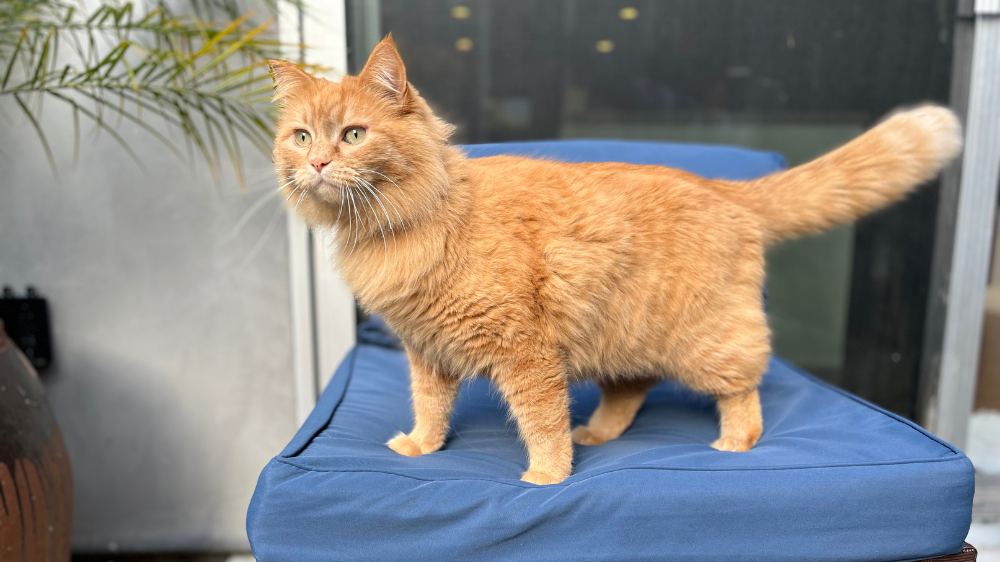
When you bring your pet to treatment, you’re trusting us with someone who matters deeply to you. We take that responsibility seriously. That’s why our pet-friendly rehab center in Huntington Beach has built strong relationships with local veterinary and pet care professionals who treat your companion as their own.
These trusted partners become an extension of our team—ready to support your pet’s health, comfort, and well-being throughout your stay. Whether your pet needs a routine checkup or unexpected care, you can feel confident knowing we have a reliable network standing by.
Our Veterinary Partners
Your pet’s health remains a priority from the moment you arrive. For wellness exams, checkups, and urgent needs, we coordinate directly with two of Huntington Beach’s most respected veterinary clinics:
Beach Garfield Veterinary Hospital
A full-service hospital offering preventive care, diagnostics, surgeries, and treatment for a wide range of conditions. Their experienced medical team provides comprehensive support for dogs and cats, making them a trusted resource for our clients’ pets.
Check out Beach Garfield’s website for more information.
Huntington Pet Vet
A compassionate, community-focused clinic offering wellness care, sick visits, and ongoing support. Their friendly approach helps pets feel calm and comfortable, even during unexpected medical needs.
For more information, you can visit Huntington Pet Vet’s website.
If your pet needs to be evaluated or treated while you’re in our program, our staff will:
- Help schedule veterinary appointments
- Arrange safe transportation to and from the visit
- Communicate with the veterinary team about your pet’s needs, medications, and temperament
You will be included in decisions every step of the way whenever safely possible.
Emergency Situations
Emergencies are rare, but your pet’s safety always comes first. In the event of an urgent medical situation:
- Our staff act immediately to secure your pet’s safety and stabilize the situation.
- We contact our emergency veterinary partners to ensure prompt evaluation.
- We notify you as soon as it is safe to do so, keeping you informed throughout the process.
During admission, you provide emergency authorization. This allows us to get your pet the care they need quickly—especially if you’re in a therapy session or temporarily unavailable. Nothing happens without transparency and respect for your wishes.
Boarding & Daycare Options When Needed
Sometimes, a pet may benefit from a short stay off-site—for example, due to health needs, anxiety, or a temporary adjustment period. In these situations, we don’t take a one-size-fits-all approach. Instead, we discuss supportive alternatives with you.
These options may include:
- Highly rated local boarding facilities
- Daycare centers that meet our standards for safety, cleanliness, and compassionate care
We will only pursue these options with your input and permission, and always with your pet’s well-being at the heart of the decision.
A Network of Support Around You and Your Pet
Recovery is easier when you know your pet is safe, supported, and cared for. That’s why we’ve created a complete circle of care around both of you during your stay, including:
- Our on-site staff and dedicated Pet Program Coordinator
- Trusted veterinary partners for medical needs
- Local boarding and daycare resources when helpful
You don’t have to navigate any of this alone. Our team handles the logistics so you can stay focused on your recovery—knowing your companion is surrounded by reliable, compassionate support.
Your Pet Deserves the Same Support You Do
Our network of veterinary and pet care partners ensures your companion receives the attention and protection they need throughout your stay. If you’re ready to explore pet-friendly treatment—or want to confirm whether your pet is eligible—our admissions team is here to help.
Contact us today to check availability and begin your recovery journey together.

Reviewed and approved by Sanjai Thankachen, MD — Supervising Physician
Dr. Sanjai Thankachen graduated from Adichunchanagiri Institute of Medicine in 2000. He completed his residency in psychiatry in 2008 from Creedmoor Psychiatric Center in New York, where fifty percent of his rotations were at Columbia Presbyterian Hospital. After his residency he worked at Ventura County Medical Centers in an adult out-patient setting and now lives in Orange County, California.