
Benefits of Pet Friendly Rehab
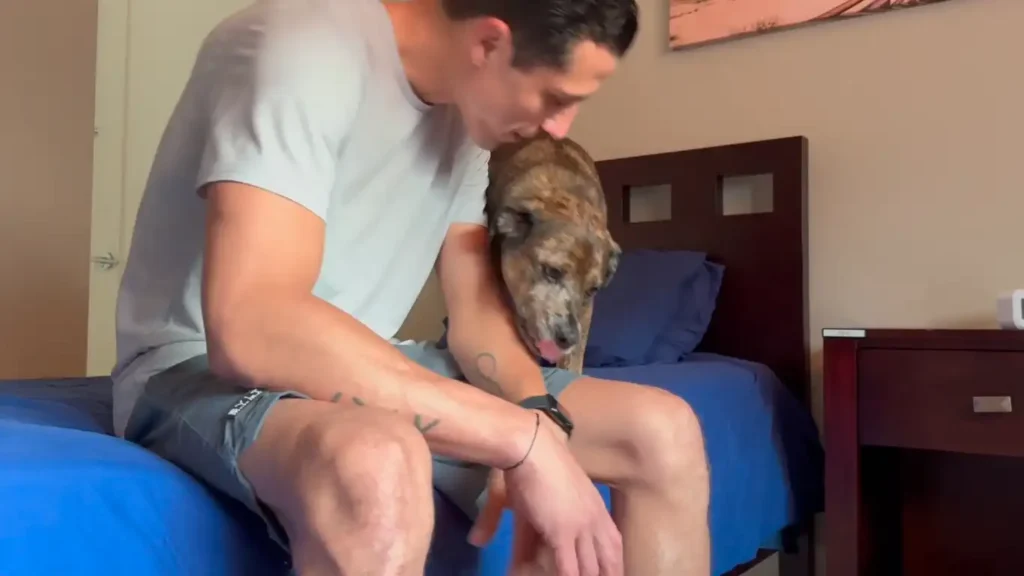
For many clients, a dog or cat is more than a companion—they’re the one constant presence that stayed through the hardest moments. During addiction, when relationships become strained and life feels unpredictable, pets often remain the source of comfort, routine, and steady love that never disappears.
In treatment, that bond becomes even more meaningful. One of the strongest benefits of pet friendly rehab is that your pet’s presence can soften fear, reduce overwhelm, and help you feel grounded during a major life transition.
Instead of asking you to leave that support behind, our pet-friendly rehab program in Huntington Beach embraces it. We integrate your pet into your daily life here in a thoughtful, clinically informed way so their calming presence becomes part of your healing—not something you have to give up.
Emotional Anchors in Early Recovery
The early days of recovery can feel like stepping into unfamiliar territory. Emotions rise and fall quickly—anxiety one moment, grief the next. Many clients describe this stage as raw and disorienting, even when surrounded by support.
That’s why one of the most powerful benefits of pet friendly rehab is the emotional stability your animal provides.
Spending time with your pet can:
- Lower stress and reduce feelings of panic
- Offer non-judgmental comfort during vulnerable moments
- Make a new environment feel safe and familiar
- Help you self-soothe in healthier, more grounded ways
Sometimes it’s the smallest moments that bring the most relief—a soft nudge, a warm cuddle, or a wagging tail that reminds you you’re not alone. Your pet becomes a steady emotional anchor—something familiar and loving you can hold onto as you adjust to the work of healing.
Rebuilding Routine & Purpose
Addiction tends to take structure away. Days blur. Responsibilities fade. Motivation disappears. Another key benefit of pet friendly rehab is the gentle reintroduction of routine—not through rigid schedules, but through the natural rhythm of caring for your pet.
With your pet beside you, you may find yourself:
- Getting up for morning walks and meals
- Relearning the natural pace of a daily routine
- Feeling the satisfaction of showing up for another living being
These small actions build meaningful momentum. They remind you that you can be consistent, responsible, and caring—even on days when motivation is low. That spark of purpose often becomes a powerful motivator to stay present, engaged, and committed to recovery.
Why Social Connection Matters in Recovery
Connecting with others in treatment isn’t always easy. Many clients arrive feeling guarded, anxious, or unsure how to open up in a new environment. For some, past experiences have made trust difficult; for others, social interactions simply feel overwhelming in early sobriety.
Rebuilding connection is a critical part of recovery, but it can’t be forced. People need time—and often, they need a gentle way in.
How Pets Break Down Barriers Naturally
Pets change the dynamic almost immediately. They invite warmth and curiosity in a way that feels organic, not pressured. A friendly dog walking through the common area or a cat curled up in its owner’s lap sends a clear message: this is a safe place to breathe and be yourself.
Small moments begin to unfold:
- Someone smiles and asks your dog’s name.
- A shared laugh happens when a pet does something silly.
- A quiet person in the group feels more comfortable speaking up when a pet is nearby.
These tiny openings create space for connection long before formal therapy does.
The Science Behind the Human–Animal Connection
There’s a reason being with your pet feels calming. Science backs it up. Research shows that spending time with animals can:
- Reduce cortisol, the body’s main stress hormone
- Increase oxytocin, which supports bonding and emotional regulation
- Lower blood pressure and heart rate
- Improve mood and reduce anxiety symptoms
This scientific foundation is part of why the benefits of pet friendly rehab are so profound. Your pet doesn’t just comfort you emotionally—being with them produces measurable physiological effects that support therapeutic progress.
Experience the Healing Power of Pet-Friendly Rehab
Your pet already brings you comfort, stability, and strength—and those are powerful tools in recovery. If you’re ready to experience the full benefits of pet friendly rehab, our team is here to help you take the next step.
Contact us today to check availability and begin your recovery journey together.
For the Curious – Further Reading & Research
If you’re interested in the research behind pet companionship and its role in addiction recovery, there’s a growing body of evidence from medical schools, psychology departments, and veterinary science programs.
Human–animal bonding
The Role of the Human-Canine Bond in Recovery from Substance Use Disorder (Human-Animal Interactions Journal)
Read the studyExploring Dog Ownership in the Lives of People with Substance Use Disorder (NIH/National Library of Medicine)
Read the study
Emotional regulation supported by animals
Cognitive Mechanisms and Neurological Foundations of Companion Animal Interaction (Frontiers in Psychology)
Read the studyThe Role of Human–Animal Bonds for People Experiencing Crisis (International Journal of Environmental Research and Public Health)
Read the study
Animal-assisted therapy
The Efficacy of Dog Assisted Therapy in Detained Drug Users ( NIH/National Library of Medicine)
Read the studyAnimal-Assisted Therapy in the Residential Treatment of Dual Pathology (Int. Journal of Environmental Research and Public Health)
Read the study
Stress reduction through companion animals
Psychosocial and Psychophysiological Effects of Human-Animal Interactions: The Possible Role of Oxytocin (Frontiers in Psychology)
Read the studyEffects of Human and Animal-Assisted Skills Training on Oxytocin and Cortisol Levels (Psychoneuroendocrinology)
Read the abstract
Behavioral neuroscience related to pets
Neurobiology of Human-Animal Interactions (Patricia McConnell, PhD / The Other End of the Leash)
Read the articleThe Neurocircuitry of Addiction and the Potential for Animal Interventions (Nature Neuropsychopharmacology – Contextual Background)
Read the study
Each piece of research reinforces what many clients already know instinctively: the benefits of pet friendly rehab are real, powerful, and deeply supportive throughout recovery.

Reviewed and approved by Sanjai Thankachen, MD — Supervising Physician
Dr. Sanjai Thankachen graduated from Adichunchanagiri Institute of Medicine in 2000. He completed his residency in psychiatry in 2008 from Creedmoor Psychiatric Center in New York, where fifty percent of his rotations were at Columbia Presbyterian Hospital. After his residency he worked at Ventura County Medical Centers in an adult out-patient setting and now lives in Orange County, California.